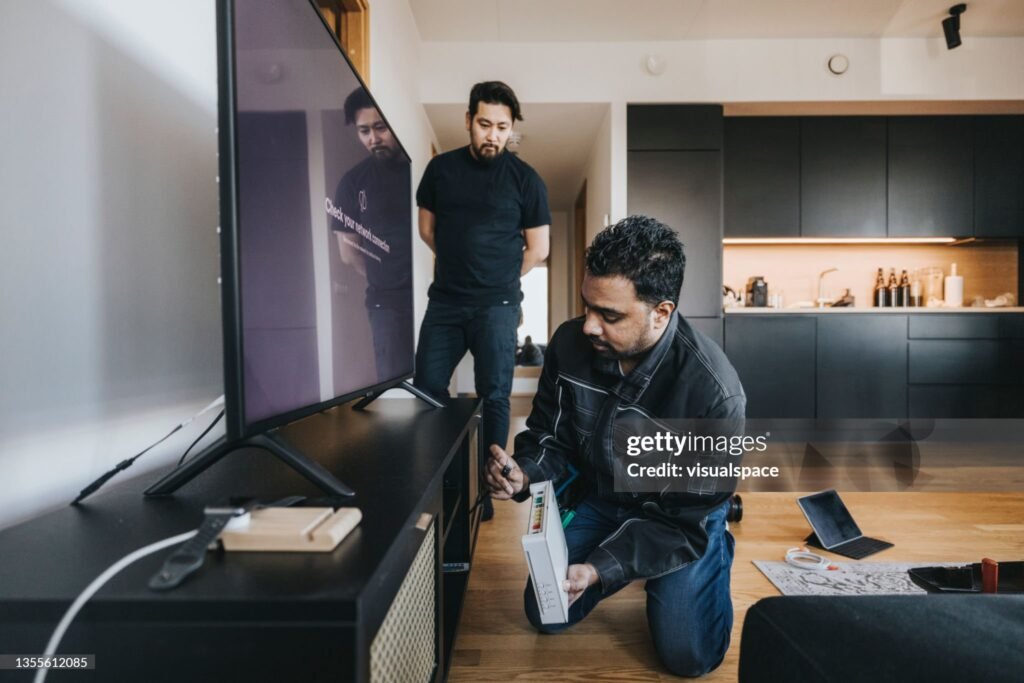
WIFI SERVICES
WIFI SERVICES DUBAI CALL US 0554317122 Introduction In the modern digital age, Wi-Fi services have become an integral part of […]
Computer networking
refers to the practice of connecting computers and other devices to share resources, data, and communication services. It allows systems to interact with each other within a local or global context. Here’s an overview of key concepts in computer networking:
1. Types of Networks:
-Local Area Network (LAN)
Covers a small geographic area like a home, office, or building. It uses Ethernet or Wi-Fi to connect devices.
Wide Area Network (WAN): Spans large distances (e.g., across cities or countries). The internet is the largest WAN.
Metropolitan Area Network (MAN): Larger than a LAN but smaller than a WAN, typically covering a city.
Personal Area Network (PAN): A very small network, like Bluetooth connections between a phone and a laptop.
Virtual Private Network (VPN): Extends a private network over the internet, providing secure remote access.
Switches: These devices manage and direct traffic within a LAN, ensuring data packets reach the correct destination.
Routers: Routers manage traffic between different networks, such as between your LAN and the internet.
Network Interface Cards (NICs): These are hardware components in each device, allowing them to connect to a network.
Firewalls: Devices or software that control incoming and outgoing network traffic, improving security.
– **Modems**: Devices that modulate and demodulate signals for communication between your home or office and your ISP.
WIFI SERVICES DUBAI CALL US 0554317122 Introduction In the modern digital age, Wi-Fi services have become an integral part of […]
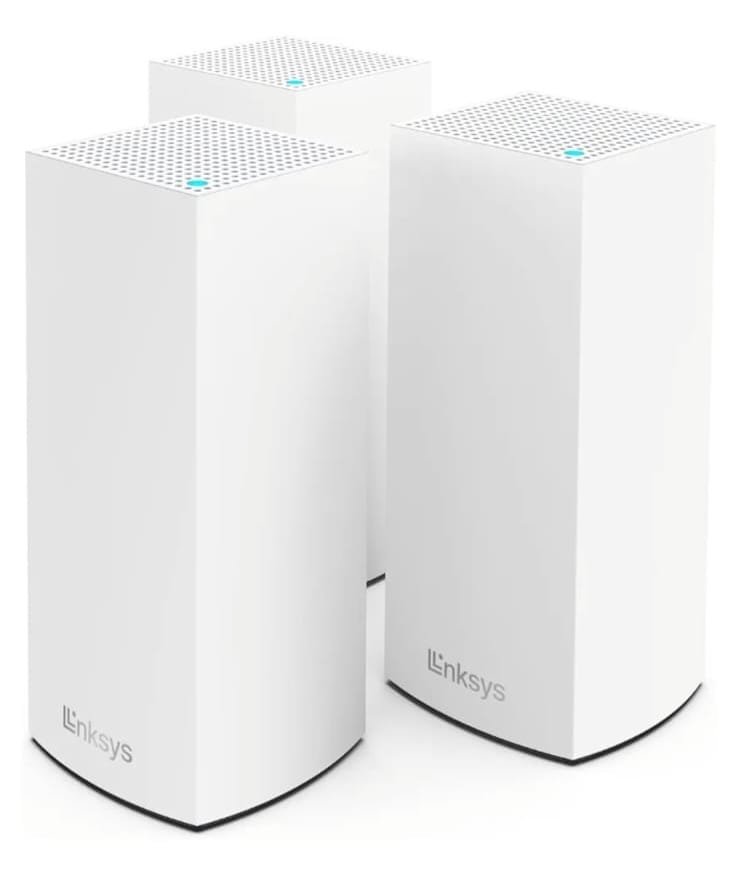
That’s where internet technicians in Dubai come in. If you’re tired of dealing with slow internet speeds or frequent